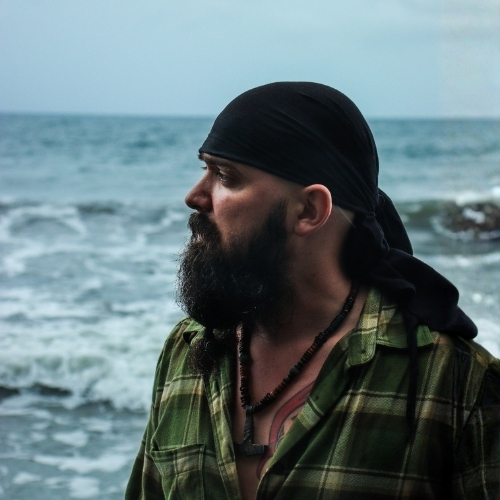
We constantly hear from governments and corporations about how many wild animals there are and how the forests are "bursting with them." They demand more and more animals be killed, while simultaneously weakening the protective status of the last untouched corners of wilderness—literally tearing into reserves, ripping them to shreds.
So, perhaps it's not that there are more animals, but rather that they have lost their homes and come to people destitute, lost, and hungry?
To understand the scale of human pressure on ecosystems, we need to look at the problem systematically. Globally. Here are scientifically confirmed data: humans have significantly transformed 75% of the Earth's terrestrial environment. We have literally taken over the planet and are "developing" more and more territories, leaving wild animals no place to live! And these estimates are from 2019. Seven long years have passed. How has the situation changed if now states, instead of protecting and expanding reserves, are tearing them apart, driven mad by "economic indicators"?
So.
The scientific work is titled "Global Assessment Report on Biodiversity and Ecosystem Services" and was published on May 5, 2019. A very large study conducted by the Intergovernmental Science-Policy Platform on Biodiversity and Ecosystem Services (IPBES). Over three years, more than 310 experts from around the world studied human intervention in nature across 50 countries. A total of 15,000 sources were examined—essentially, this is a meta-study covering a colossal amount of data, primarily from the last 50 years.
And here are the results:
Humans have "developed" 75% of Earth's terrestrial environment for themselves, meaning they have significantly altered it. In fact, we have affected almost all terrestrial natural systems. This means that only about 25% of the land is now left for all other inhabitants of the planet.
By the year 2000, humanity had destroyed 87% of the wetland areas that existed in 1700. This assessment covers the last 300 years, precisely the period of mass "development" and rapid population growth. According to scientists, by 2000, only 13% of the original wetland area remained. This is a devastating blow to freshwater and near-water communities, as wetlands and floodplains provide spawning grounds, shelters, migratory stops, and breeding sites for many species.
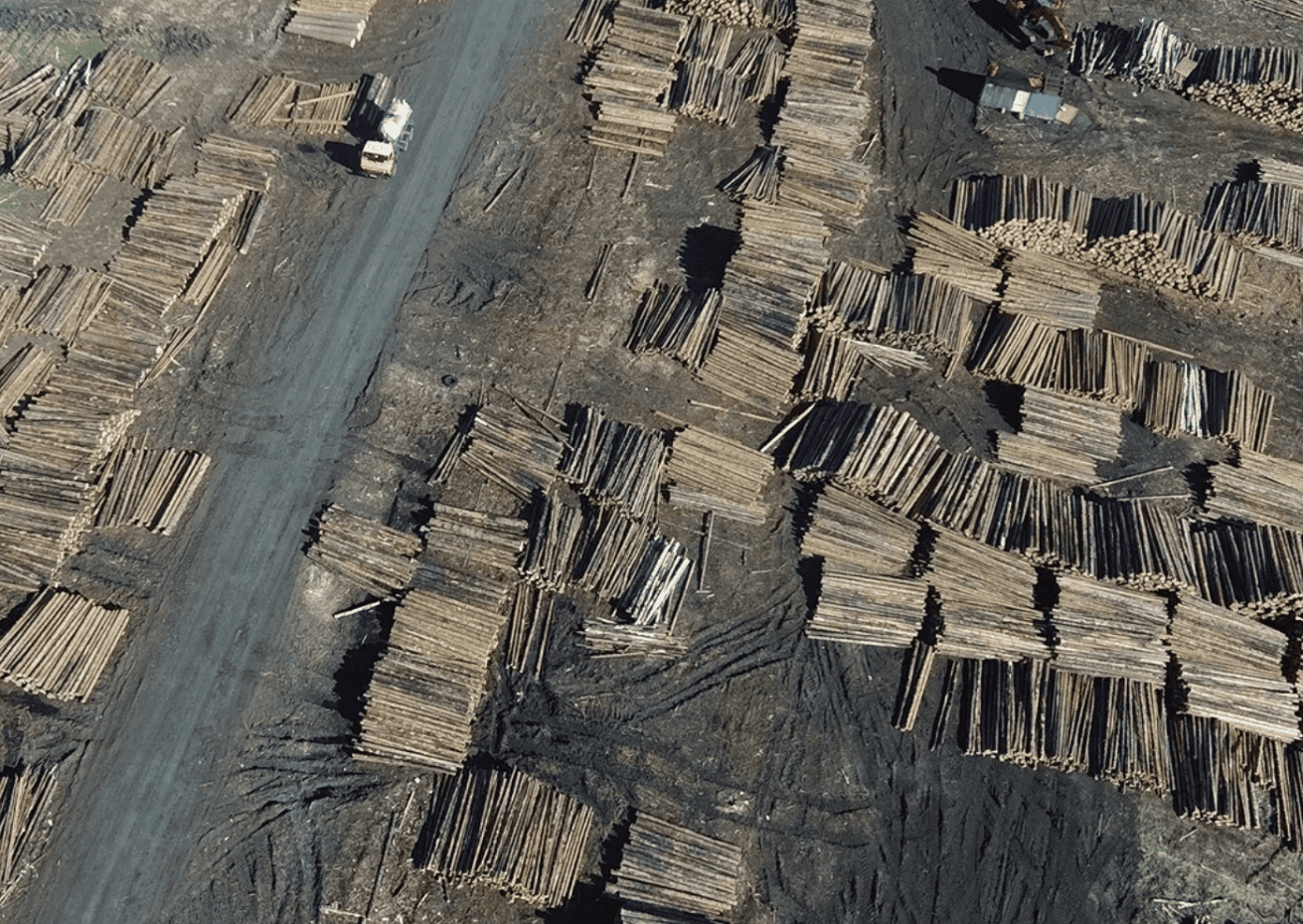
The area of Earth's forests has been reduced to about 68% of the pre-industrial level. This means that around 32% of the original forest cover has been lost, and this is despite the fact that the processes of forest destruction are accelerating! For instance, from 2000 to 2013, the area of large, minimally disturbed forest tracts decreased by another 919,000 km², or approximately 7%. This is a very short period, considering that forests are trying to recover and protect themselves from humans as well.
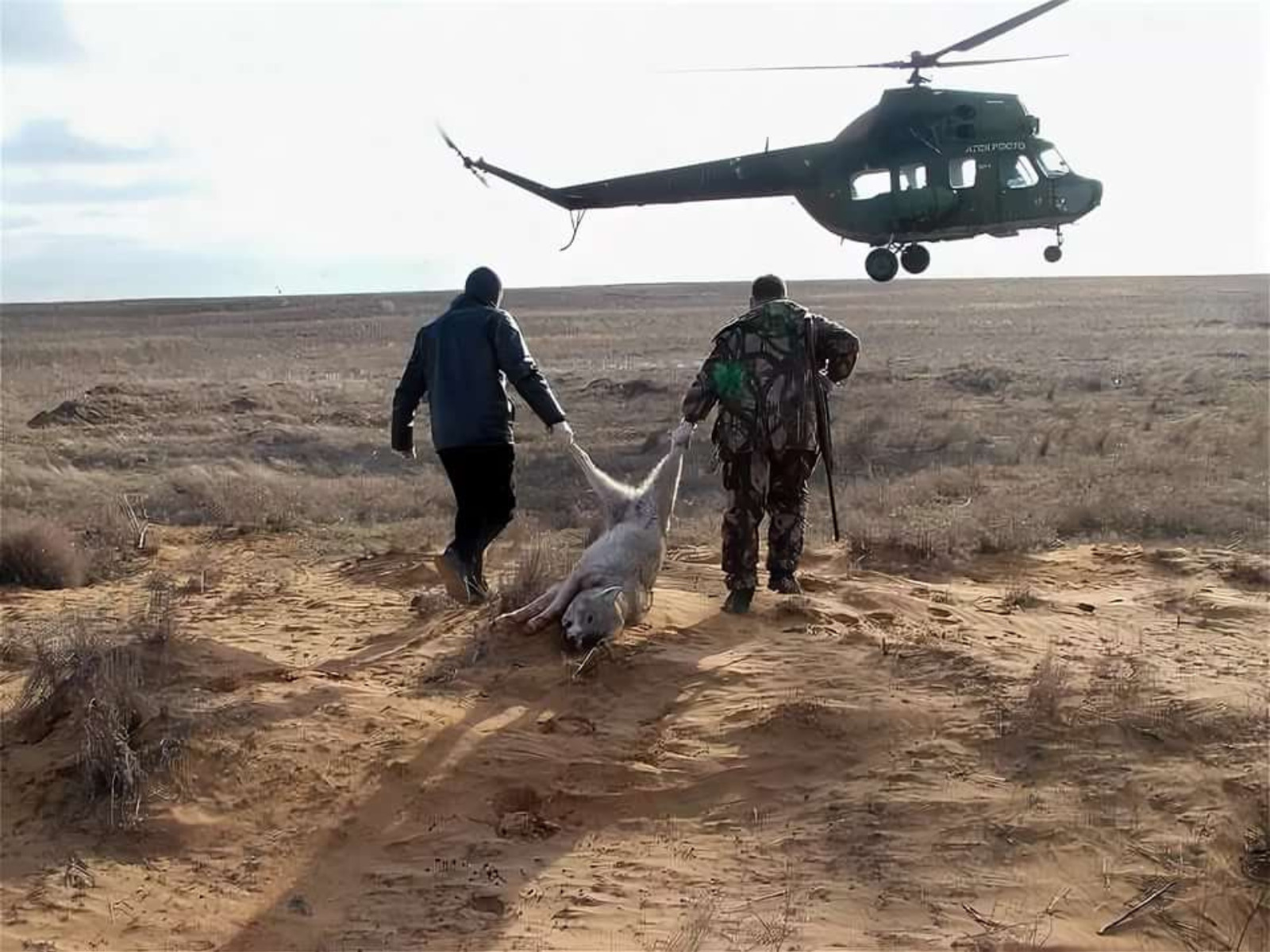
And most destructively, scientists provide data showing that the global biomass of wild mammals has decreased by 82% since around 1900. In a previous article, I cited data from another study: there, scientists provided estimates specifically from 1970, showing that the population of all vertebrate species on the planet has decreased by 73% over 50 years. However, according to a more global assessment by IPBES, if we consider mammals specifically from 1900, their numbers have fallen by 82%.
- And in the same study, scientists provide data showing that currently about ONE MILLION SPECIES OF ANIMALS AND PLANTS ARE THREATENED WITH EXTINCTION. Moreover, scientists explicitly state that their habitats need to be urgently restored.
That's how it is, comrades! It's all extremely simple and simultaneously critical: humanity has 'developed' 75% of the Earth's land for itself, and now, by protecting reserves, we are literally saying — only a miserable 25% of territories are left for nature, and even these are outdated figures. Now the processes are accelerating, the situation is exponentially worsening and cascading into the abyss — we, humanity, are literally digging a grave where we are burying all living things around us alive, and along with them, the future of our own children.

I decided to expand on the topic and studied another scientific work called "Where can we find ecologically intact communities?"It was published on April 15, 2021. An international group of 16 scientists worked on it, representing universities and research organizations from the UK, USA, Mexico, Sweden, Germany, Spain, the Netherlands, Kenya, and other countries.
The main conclusion of the study: ONLY 2.8% OF THE EARTH'S LAND MEETS ALL ACCEPTED CRITERIA FOR FUNCTIONAL INTEGRITY.
To achieve this assessment, scientists required the simultaneous fulfillment of three conditions: low human impact, no established local extinctions of species, and the preservation of sufficient numbers of selected animals. Large areas of at least 10,000 km² were considered.
And here are the conclusions: there are practically no real wildlife refuges on the planet, nowhere for animals to hide from humans! Only 2.8% of the territory can be considered functionally intact.
Scientists emphasize that the potential area for restoring intact communities worldwide exceeds the existing 2.8%—restoration of fauna can be increased to 19–24%.
It can be done!
But no one wants to do it.
Right now, countries are racing for leadership in the fourth technological revolution, where, on the contrary, it has become necessary to reduce the protected status of even the last remaining reserves. It turns out that beneath them lie 'rare earth treasures,' elements and metals needed for the world's transition to digital technologies. Paradoxically, even so-called 'green energy' depends on these rare earth metals.
Where is the measure of human madness? Stop tearing apart the remnants of living ecosystems. This is our own habitat! We depend on it. Our children depend on it, and all future generations.
Pass it on, comrades! Spread the word. Global change can be achieved if millions unite in the fight for Life—becoming a true colossal force capable of moving epochs. This world must change and stop the planetary ecological collapse. There is still a little time left.
Fight for Life!
And pass it on.
© PAVEL PASHKOV
Support the fight!
The hardest thing in our time is to remain independent from government and business! All activities are carried out independently. Stand with us and support our Mission to protect wildlife.
I want to support!Get involved
On an ongoing basis, we launch public initiatives together to protect wildlife and achieve real change. Join this work and help change the world for the better.
Explore the initiativesTFET Concept
We are working to transform the global protected-area system — Territories of Full Ecological Tranquility (TFET) must be created. Wildlife needs refuges from human pressure! This is one of the key paths out of the planetary ecological crisis and toward preventing further ecosystem collapse.
Learn more