
Recently, major media outlets, public figures, and even officials in their official responses to the public on questions about deforestation have been publishing information that everything is fine. They claim that not only are forests not being destroyed, but on the contrary, they are increasing! I think many of our colleagues have already encountered such publications online and have seen responses from agencies.
This has been spread so widely that the idea of 'infinitely growing forests' now lingers in society. Many people hesitate to write about the destruction of the Russian Taiga, fearing they might be wrong. After all, 'opinion leaders' claim that the opposite is true and that there has never been a problem.
Let's now delve into this issue together. This is the third part of our joint investigation. In earlier materials that I published, we examined the real scale of deforestation using the examples of the Russian North, the European part of the country, Siberia, and the Far East.
Brief conclusions:
As early as 2001, scientists established that large, minimally disturbed forest areas occupied only 13.8% of the forest zone of European Russia. But they were already being encroached upon from all sides by anthropogenically altered landscapes.
From 2000 to 2025, Russia lost the status of minimally disturbed forest landscapes over an area of 53.2 million hectares — almost a fifth of the level at the beginning of the century. In other words, genuine ancient forests have been fragmented and isolated from each other.
In Central and Eastern Siberia, over 23 years, the road network in the studied area increased by 102,767 kilometers, and the number of fragments of minimally disturbed forests grew 4.3 times. Literally: our taiga is torn to shreds, scattered into pieces.
This has led to a massive movement of animals towards humans, loss of habitat, and abnormal forest fires. From 2001 to 2023, fires covered a total of 107.57 million hectares of the studied Siberian territory, including repeated ignitions. Later, scientists demonstrated in field studies that about half of the fires start precisely from roads.
- In Yakutia alone, satellite monitoring recorded a loss of tree cover over an area of 26.6 million hectares in a quarter of a century. Research by the Far Eastern Branch of the Russian Academy of Sciences showed that even 60–70 years after selective logging, the native Korean pine-broadleaf forests of Primorye have not restored their original structure: the stock of Korean pine remained almost nine times lower than in old-growth forests.
Here is the real scale of the ongoing degradation of Russia's forests—a systematic and unceasing destruction.
But! Meanwhile, we are told about the growing area of forests, and this is enough for the average person to dismiss it: “Oh, well then there are no problems at all.”
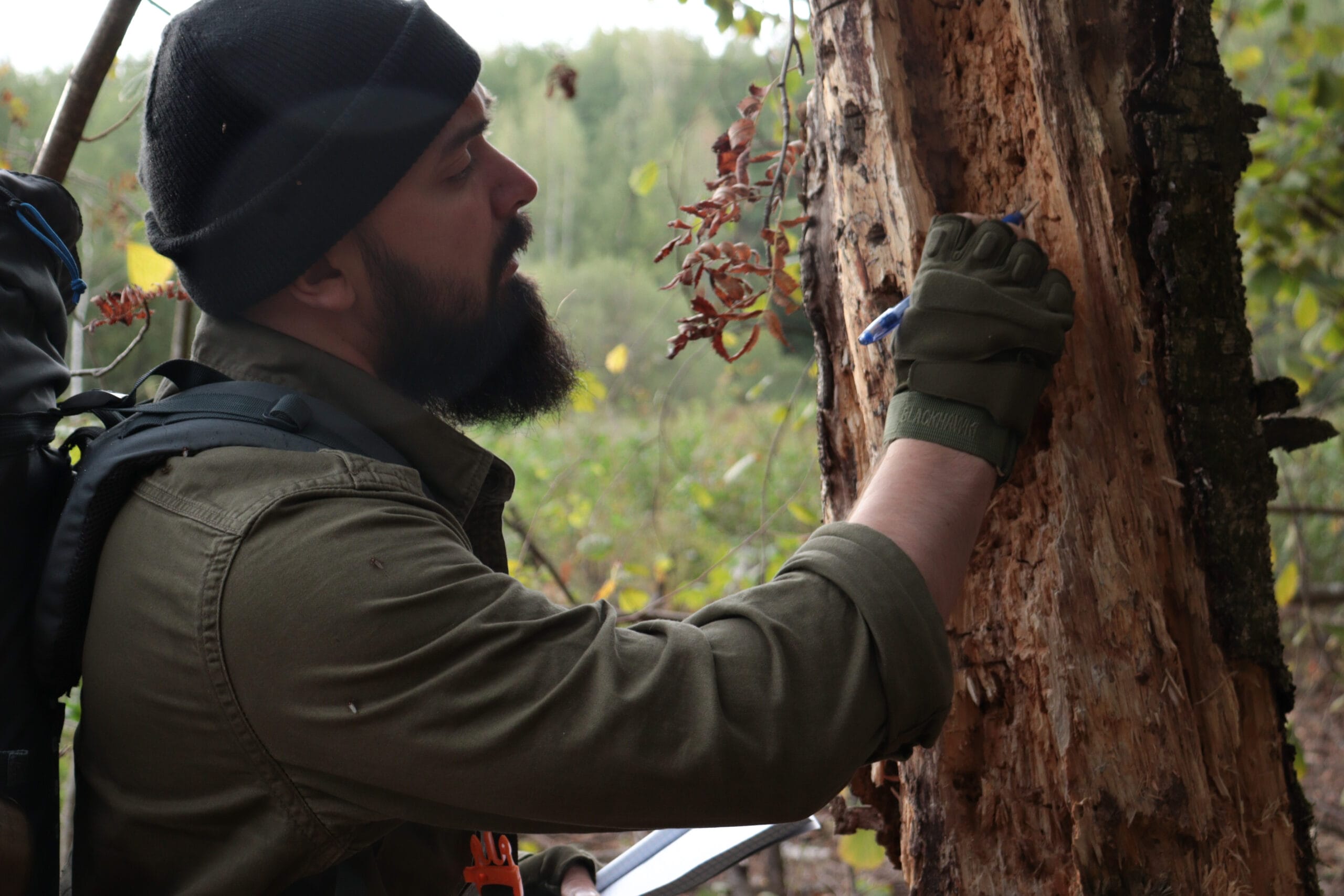
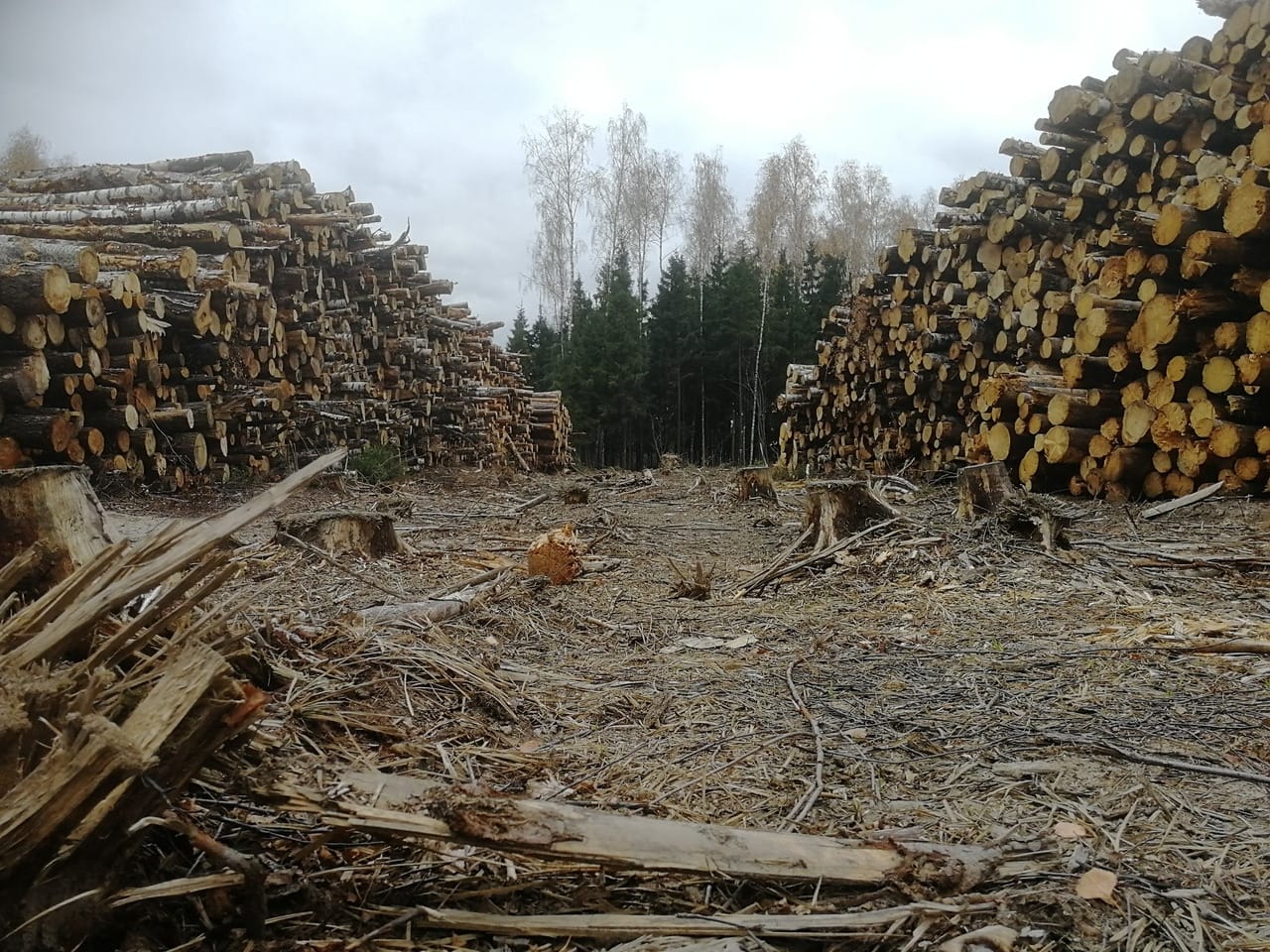
Is that really the case?
In 2026, a scientific paper was published titled “Assessment of the Annual Dynamics of Russia's Forest Area in the Current Century Based on Space Monitoring Data”, in which Russian scientists reported that the forested area of the country increased by 49.77 million hectares. These are the data that officials use and publish in the media to justify the absence of a deforestation problem.
So, can we disperse and breathe easy? Everything is fine?
In reality, no.
Firstly, satellite monitoring has improved. More reliable methods of analysis and data collection have emerged. Previously, it was simply impossible to assess the scale even from satellites—there were neither proper maps nor unified data.
Secondly, scientists themselves in their work state that the reasons for the growth are:
overgrowth of abandoned agricultural lands;
spread of woody and shrub vegetation into the tundra and drying swamps;
- densification of tree stands and forest regeneration after disturbances.
Moreover, scientists previously aimed to legalize forest cultivation on abandoned agricultural lands in the country to preserve true ancient forests. The principle was to harvest what was grown to preserve natural ancient biocenoses.
Now, with the help of satellite monitoring, the authors of the study have established that the forest area has increased from 744.84 to 794.61 million hectares.
Thus, it is about the fact that thanks to modern technologies and satellite monitoring, it has become possible to more accurately assess the total forest area in the country. It was recorded that young growth is covering abandoned agricultural lands, forests are naturally regenerating in some areas, swamps are drying up and becoming overgrown, and so on.
But the most important thing here is the shift of the boreal forest 'fringe' into tundra territories. That is, the taiga is literally slowly advancing into the tundra due to climate changes. In the tundra zone of the Arctic, it is becoming warmer, and young shrub trees are beginning to appear there.
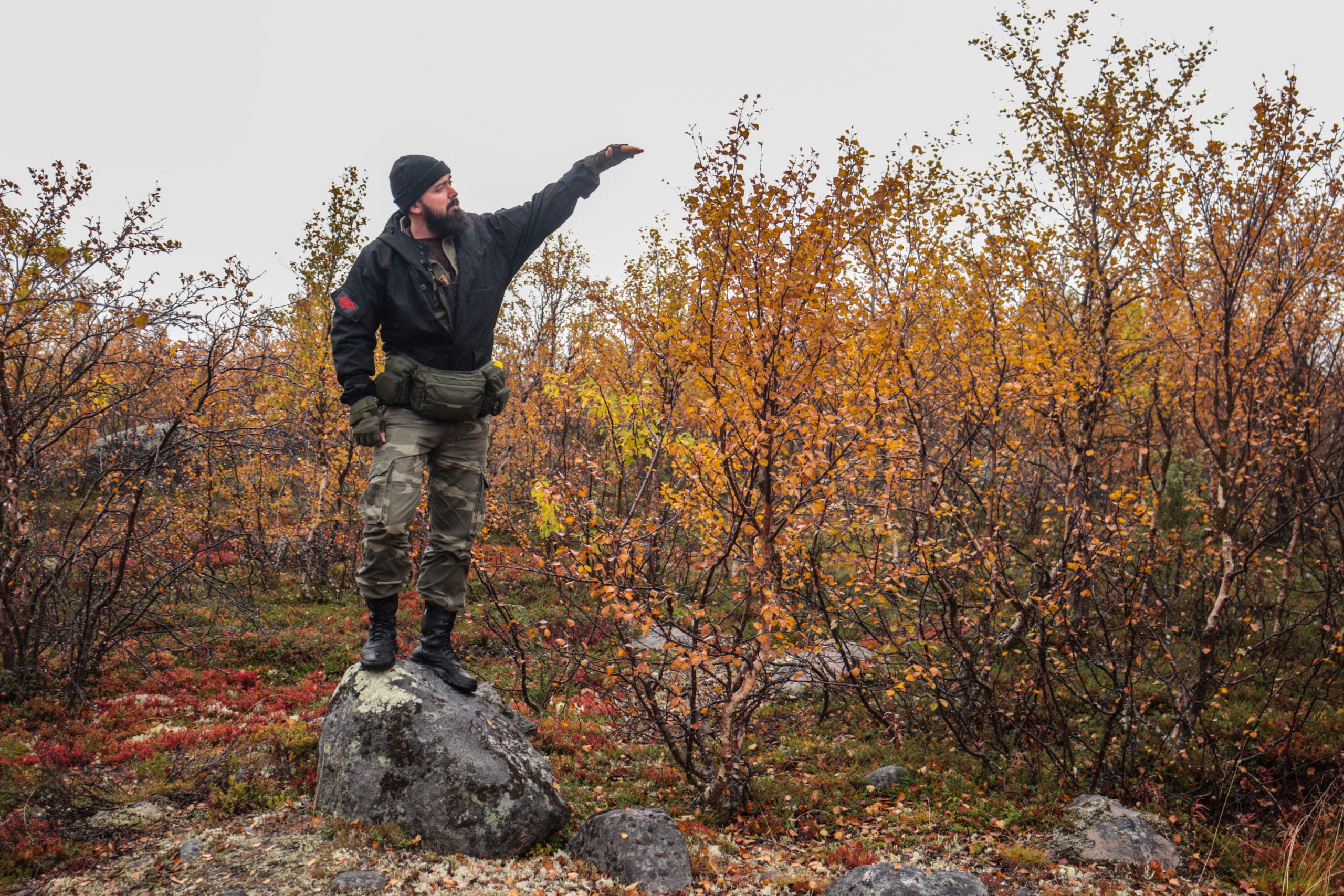
However, for a forest to become a full-fledged biological system, it takes at least 100–300 years. Currently, the total area where young forests have been discovered is being calculated. Which is not surprising at all.
However, it is the integrity of the forest ecosystem that determines its quality, with feedback loops in the taiga biocenoses that have formed over thousands of years. A young 'whip sapling' on abandoned fields or the shift of the taiga 'fringe' towards the tundra does not replace the real complex ecosystems of the Russian Taiga.
And now look:
According to Russian scientists, the area of land covered by forests increased by 49.77 million hectares from 2001 to 2024. Another study shows that from 2000 to 2025, the true ancient forests, the intact forest landscapes of Russia, decreased by 53.2 million hectares. In other words, they were simply torn to shreds and isolated from each other.
This 2025 study titled "Intact Forest Landscapes of the World: Area and Changes from 2000 to 2025"states that the total area of intact forest landscapes decreased from 274.4 to 221.2 million hectares. This is the largest absolute reduction among countries worldwide.
Thus, while the overall area of tree cover is increasing, often with completely low-quality young growth, the real ancient forests with their complex millennia-old biogeocenoses are rapidly being destroyed. They are being fragmented, isolated, burned, and logged on an unimaginable scale.
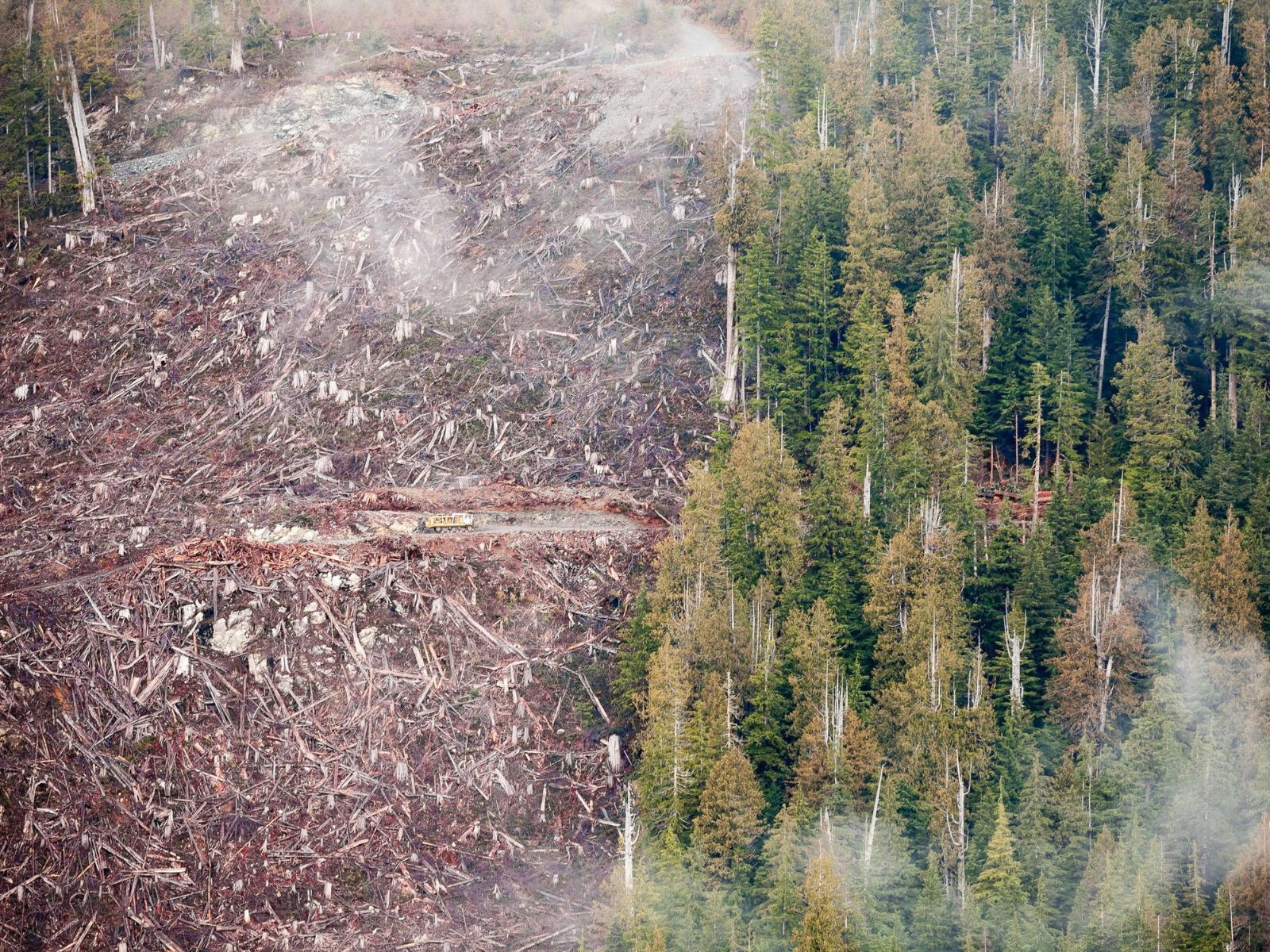
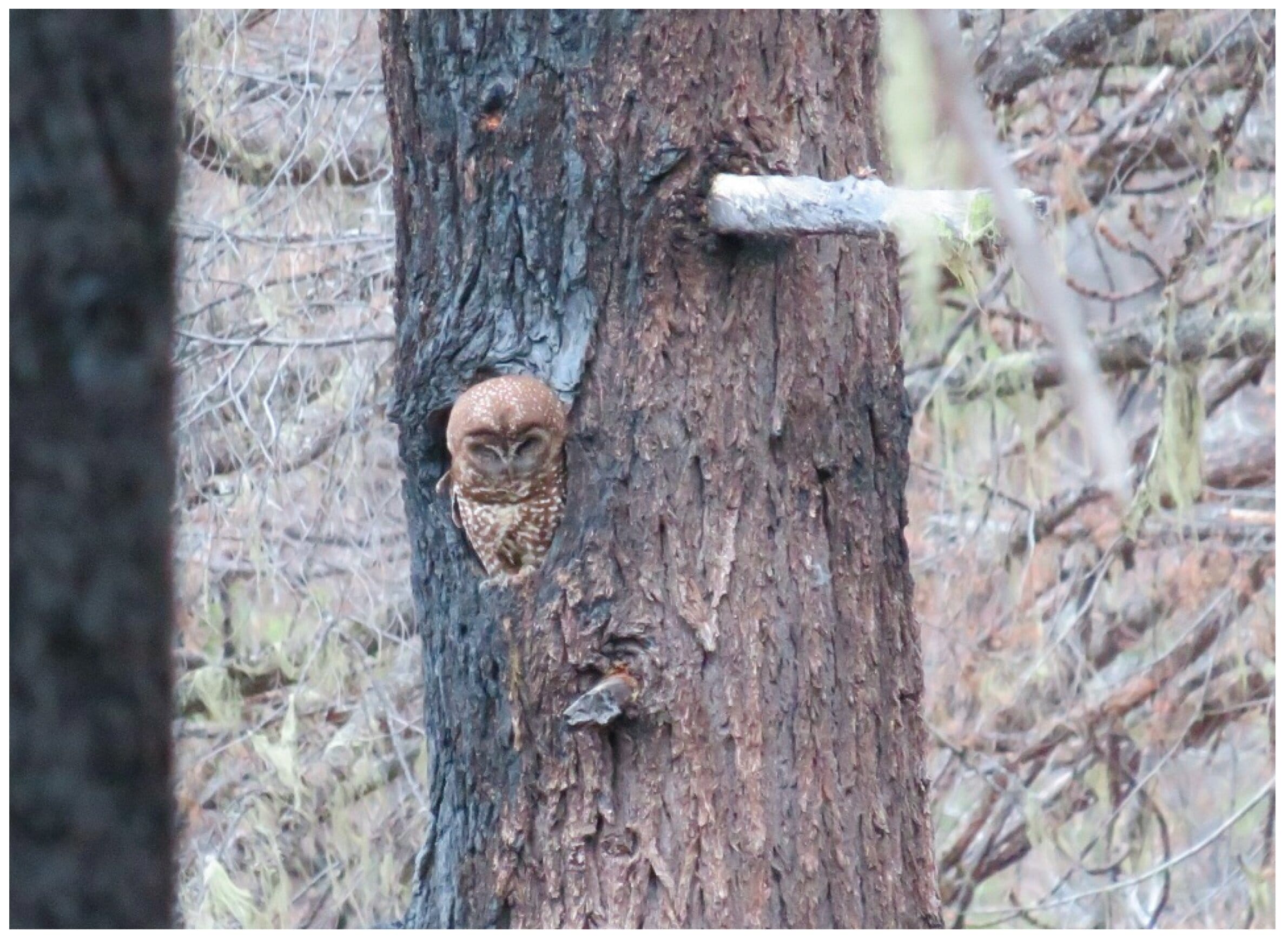
Incidentally, similar data is presented in scientific works from other countries around the world. For example, our boreal taiga belt also passes through Canada. In a scientific work titled "Forest Degradation Leads to Widespread Habitat and Population Declines of Forest Birds"published in 2022, scientists confirmed:
More than 3 million hectares of forest have been clear-cut;
The area of old forests has decreased by 39%;
Meanwhile, the total forest-covered area increased by 6.5%;
For 66% of the 54 bird species studied, models showed a reduction in suitable breeding habitats;
- The loss of habitats was closely linked to the disappearance of older age classes of forests.
Thus, note that the story is the same: the overall area of the shifting 'forest fringe' retreats towards the tundra, yet the truly ancient forests are being destroyed on a catastrophic scale. In one period, the forested area increased by 6.5%, but the area of natural ancient forests decreased by 39%.
Scientists studied 130,000 km² of forest landscapes in Eastern Canada over 35 years.
The reality is that animals have nowhere to live, their habitat is destroyed, as the lives of all species are intricately woven into millions of complex feedback loops of a millennia-old biogeocenosis of the wild. To re-establish such connections would take at least hundreds of years, and possibly thousands for full formation. During this time, humans must not further destroy these sacred refuges of the wild.
Again, let me remind you: this is the main foundation of our proposed Concept of Territories of Full Ecological Tranquility (TFET). That is, we, comrades, are striving for and speaking about the necessity of changing the existing global reserve system altogether.
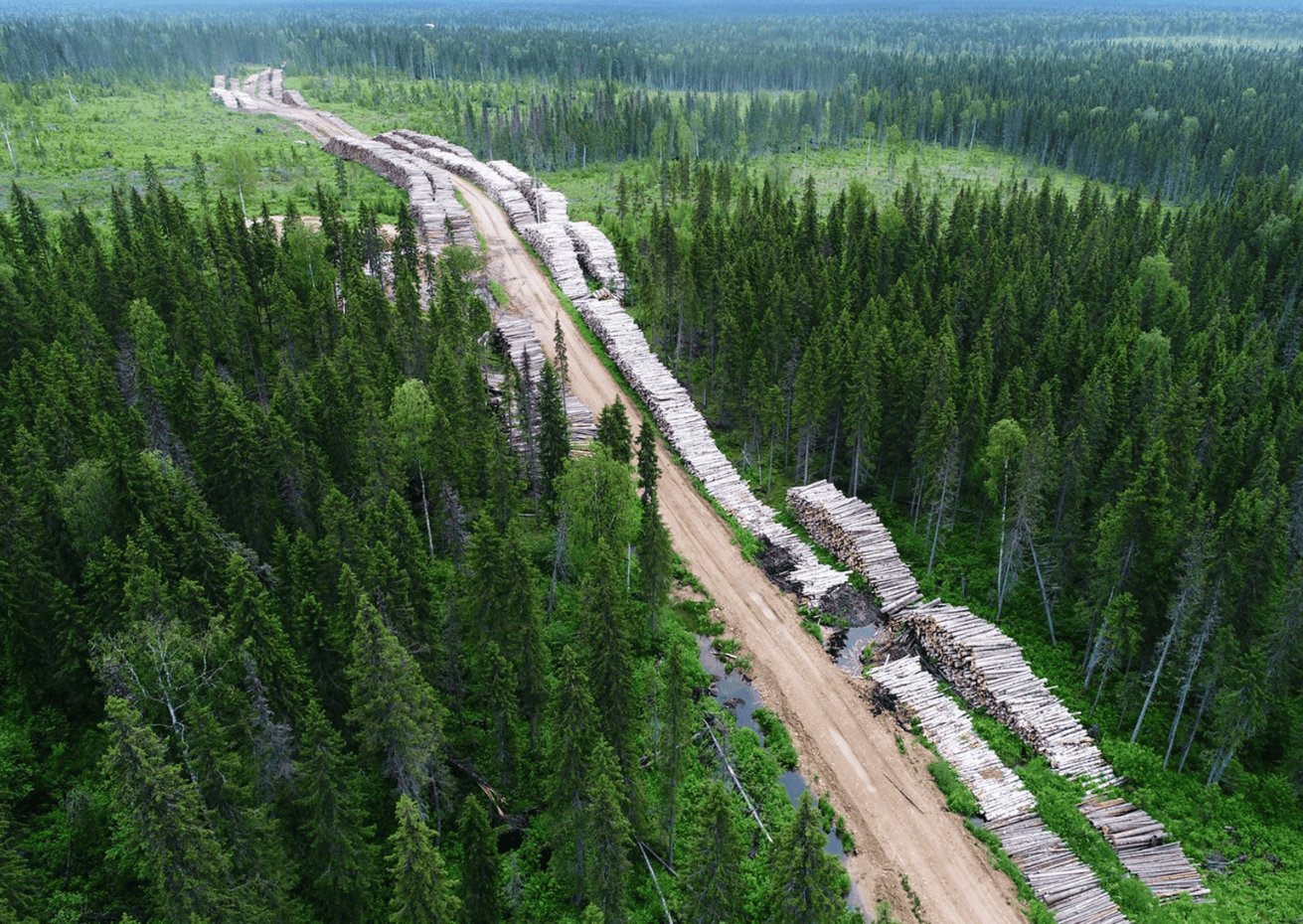
Let's now take a deeper look at the supposedly media-promoted 'expansion of the taiga,' which is currently being presented to us as a justification for the destruction of real Ancient forests.
I studied data from Global Forest Watch — this is also satellite monitoring. So, the total loss of tree cover across the country from 2001 to 2025 amounted to 92 million hectares. Meanwhile, as I mentioned earlier, the status of intact forest areas was lost over an area of 53.2 million hectares, and according to the World Resources Institute, from 2001 to 2025, the net loss of tree cover within Russia's intact forest areas was about 25 million hectares.
Moreover, this data was published in the analytical section of the World Resources Institute on primary forests quite recently—on April 29, 2026.
Thus, within the minimally disturbed forest landscapes, a loss of tree cover has been recorded over an area comparable to the size of the United Kingdom. The total Russian loss of tree cover over a quarter of a century exceeds the area of Turkey.
The loss of ancient forests over an area of 25 million hectares within minimally disturbed forest territories is the most dangerous thing imaginable. After all, biogeocenoses that have formed over thousands of years are being destroyed.
Right now, we can't even subtract from the lost forests the figures recorded by satellite monitoring as 'growth in forest area.' Because that would be a complete distortion of the data, as we are talking about completely different things altogether. Qualitatively different forests.
But we can draw a conclusion. Justifiably. Scientifically.
Scientists have recorded the growth of the 'fringe' of the boreal forest towards the tundra due to climate changes, as well as the emergence of young forests on abandoned agricultural fields, dried-up swamps, and so on—approximately 49.7 million hectares.
From 2000 to 2025, the area of minimally disturbed forest territories in Russia decreased by 53.2 million hectares. The total loss of ancient forests within such territories from 2001 to 2025 was 25 million hectares.
- From 2001 to 2025, the total loss of tree cover across the country amounted to about 92 million hectares. The main causes include fires and logging.
Here it is, the scale of forest destruction in Russia! And if someone casually presents the figures of newly emerged forests as an absolute value and truth, you can confidently refer to the data from our small but very important investigation.
The total area of forests, even according to the data provided to us, has increased by 6.7%, while the area of undisturbed ancient forests has decreased by 19.4%—almost a fifth. This is a colossal loss for the Russian Taiga.
© PAVEL PASHKOV
Support the fight!
The hardest thing in our time is to remain independent from government and business! All activities are carried out independently. Stand with us and support our Mission to protect wildlife.
I want to support!Get involved
On an ongoing basis, we launch public initiatives together to protect wildlife and achieve real change. Join this work and help change the world for the better.
Explore the initiativesTFET Concept
We are working to transform the global protected-area system — Territories of Full Ecological Tranquility (TFET) must be created. Wildlife needs refuges from human pressure! This is one of the key paths out of the planetary ecological crisis and toward preventing further ecosystem collapse.
Learn more